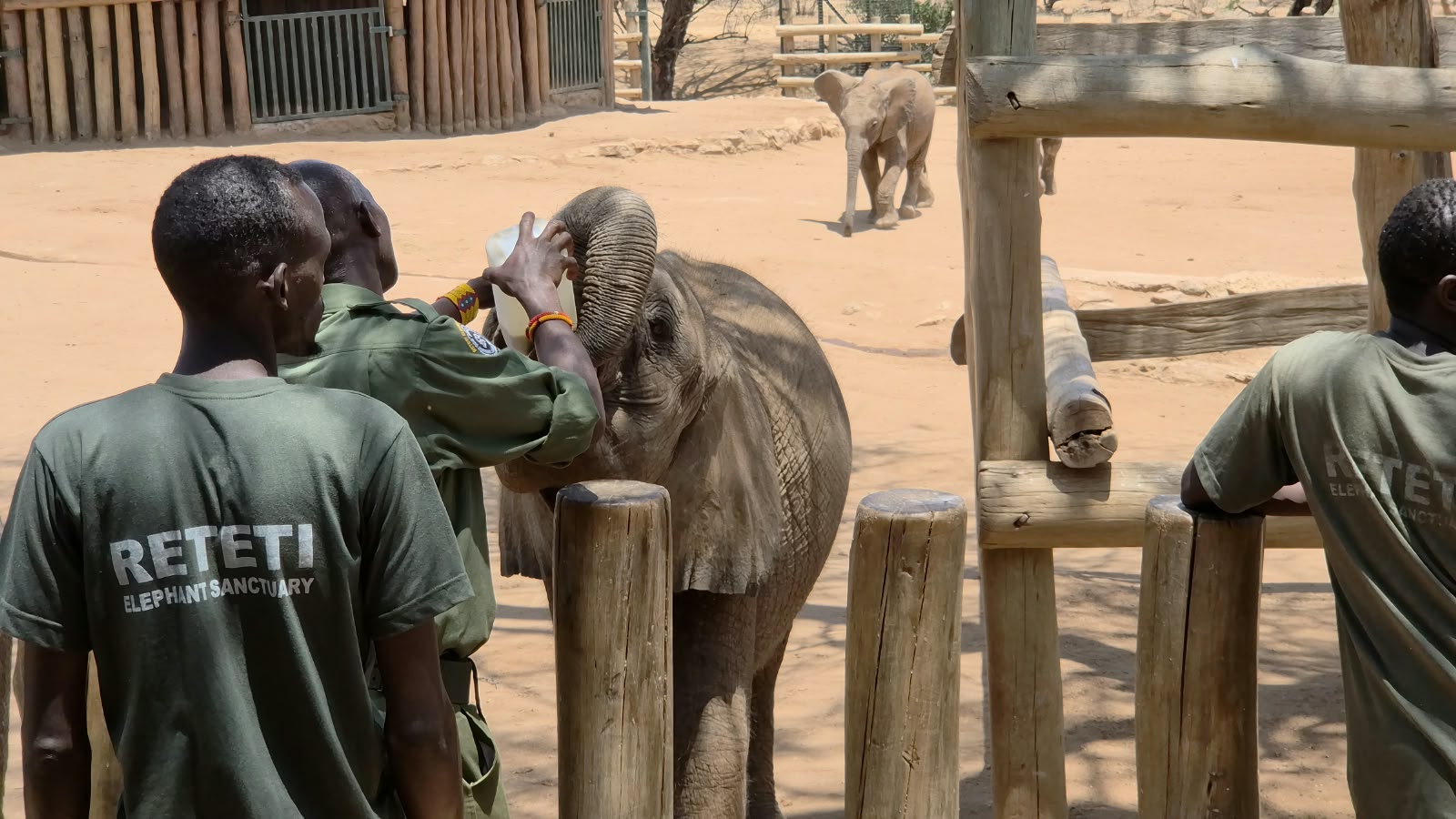
Reteti Elephant Sanctuary, described as Africa's first elephant orphanage that is wholly owned and operated by a local community, is caring for 52 elephants in the Samburu County hills of northern Kenya, according to KBC Digital. The facility sits inside the 850,000-acre Namunyak Wildlife Conservation Trust and is run entirely by members of the indigenous Samburu community. It operates at the base of the Mathews Range and is also open to tourists.
Why it matters
The sanctuary's model places the people who live alongside wildlife at the centre of protecting it, rather than treating them as bystanders. According to KBC Digital, the site provides work for 1,200 people, most of them drawn from the surrounding community, and money from bookings and donations is directed back into local livelihoods. It also buys roughly 680 litres of milk from the community, an arrangement that supports about 1,250 women, sanctuary operations officer Patricia Parkeri told KBC Digital.
The Kenya Tourism Board is meanwhile trying to draw more visitors to the country's north, a circuit it considers underused, and is promoting the region as a starting point for a wider push into less-visited domestic destinations. KBC Digital reports that the board aims for 5.6 million bed nights by 2027, with a campaign focused on turning awareness into actual bookings and overnight stays across the year. Reteti is cited as one example of the north's draw for both wildlife and cultural tourism, beyond Kenya's better-known safari routes.
Singing wells and the drought behind the rescues
Most of the elephants brought to Reteti arrive after falling into wells that community members have dug to reach water, guest relations officer Russia Lenanyokie told KBC Digital. She said northern Kenya is among the regions hardest hit by drought, which leaves elephants struggling to find water and pushing them into contact with people. About 70 percent of the sanctuary's elephants end up there after falling into these wells, she said.
The wells are known locally as singing wells, a name that comes from the Samburu practice of singing while drawing water for their animals in the morning, according to Lenanyokie. Song is also part of daily life at the sanctuary itself. Parkeri told KBC Digital that staff sing to the elephants during feeding, describing it as a custom handed down over generations.
Reteti was placed in the area because of its position within the region, which allows it to take in and treat elephants harmed by threats such as poaching and conflict between people and wildlife, KBC Digital reports.
Release, training and visiting hours
Parkeri said 23 elephants have been returned to the wild after reaching the age of seven, which the sanctuary treats as a significant step in their recovery. The animals are freed in mixed groups of males and females to help them adjust to life outside the sanctuary, and an elephant that chooses to come back is received again, she said. Staff have also worked out ways to handle aggressive elephants, using car tyres in training sessions, a method Parkeri said also helps keep the trainers out of harm's way.
Tourism at the site rises and falls with the seasons, and October is one of its busiest stretches, KBC Digital reports. The main public viewing window is the Midday Feed, which runs from 11:30 AM to 1:00 PM, with the bottle-feeding itself starting at noon. Entry to that session is capped at between 15 and 20 visitors, split across three groups.
What to watch: whether the tourism board's northern Kenya campaign lifts bookings and overnight stays at community-run sites like Reteti, and whether the sanctuary's herd of 52 continues to shrink as more elephants reach release age.